Post-Closing Escrow Holdback Services
Home » Post-Closing Escrow Holdback
Holdback Escrow for California Real Estate
A post-closing escrow holdback keeps an agreed amount of money in escrow after a real estate sale closes, until specified obligations and release conditions are satisfied. Often funded from seller proceeds, it separates the property’s closing from the later release of a defined portion of the funds.
Planning a California property sale with an obligation that may continue after closing? Guaranty Escrow can review your proposed holdback alongside the transaction documents. Acceptance depends on the property, purpose, instructions and any lender or title requirements. A holdback is not automatic permission to close with an unresolved issue.
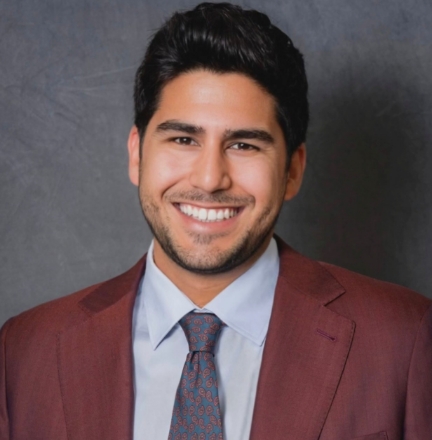
Discuss your holdback with Matthew Bond, Holding Escrow Specialist/Escrow Officer. Call 310.526.9641 or email Matthew to review availability and next steps.

How a Post-Closing Holdback Works
1. Agree on the Purpose and Release Terms
Before closing, identify the obligation, amount, funding source, deadline and the parties responsible for completion. The written instructions should describe acceptable evidence, required approvals, permitted payments and treatment of any remaining balance. Coordinate with your real estate, lender, title and legal advisers as appropriate. Matthew can review whether Guaranty Escrow can accept the proposed arrangement.
2. Fund and Maintain the Holdback
For an accepted arrangement, the agreed funds remain with the escrow holder while the responsible parties complete their obligations. Keep the closing team informed of delays or proposed changes. Extensions, added funds or revised conditions should be documented through the required instructions, not assumed from an informal conversation. Holding money does not guarantee performance or cure a financing or title issue.
3. Document and Authorize the Release
Provide the evidence and authorizations required by the escrow instructions. Depending on the approved purpose, these may include completion documentation, invoices or other agreed confirmations. The escrow holder administers the authorized disbursement and remaining balance. Guaranty Escrow is a neutral funds administrator, not a property inspector, contractor or judge of a disagreement between the parties.
Discuss Your California Holdback With Matthew
A useful holdback starts with a clear answer to three questions: what remains to be done, who confirms it, and what permits the money to be released? Matthew is your contact for reviewing the proposed escrow administration and obtaining a quote. For repair-specific requirements, see Repairs Escrow. Other post-closing obligations require a separate scope review before you rely on Guaranty Escrow to hold the funds.
Prepare for your consultation: the California property address and type, target closing date, purchase agreement or proposed addendum, a description of the outstanding obligation, proposed amount and deadline, and the buyer, seller, agent and closing-company contacts. Include applicable lender or title conditions. Ask Matthew for a secure method before sharing confidential documents or financial information.
Explore our holding escrow services, real estate escrow services and Matthew’s profile. This page provides general education, not legal, tax or lending advice.

Post-Closing Escrow Holdback FAQs
What is a post-closing escrow holdback?
It is an arrangement in which an escrow holder retains agreed funds beyond the property closing and disburses them under written conditions. The retained amount is sometimes called a seller holdback when it comes from seller proceeds. See our holdback definition. California’s DFPI escrow definitions explain the neutral third-party role; the specific agreement determines the holdback’s terms.
Is a holdback the same as a seller credit or mortgage escrow account?
No. A holdback retains money pending specified release conditions. A seller credit adjusts the transaction’s financial terms at closing and does not by itself create a separately administered fund. A mortgage impound account generally collects money for recurring property taxes and insurance. Ask the closing team how the proposed arrangement should be documented and disclosed.
Which California real estate situations should I discuss with Matthew?
Start with the exact obligation that will remain after closing. Agreed repairs are one example. If the proposal concerns delayed possession, move-out, document delivery or another contractual obligation, ask Matthew to confirm whether Guaranty Escrow can accept that purpose. These are scenarios for review, not a list of automatically available services. For an issue discovered before closing, read our final walkthrough guide.
Does a holdback allow a sale to close with unfinished repairs?
Not automatically. The purchase terms, property condition, financing and required approvals determine whether closing can proceed. Some conditions must be resolved before funding or closing. Confirm the proposal with the lender and transaction team before relying on a holdback. Our Repairs Escrow page addresses repair-specific planning; escrow acceptance is not lender approval.
How much is held back, who funds it and what does it cost?
The parties need to agree on the amount and funding source, subject to transaction requirements and escrow acceptance. There is no single amount or percentage that fits every obligation. Ask Matthew for a quote and confirmation of any minimum deposit, administration fee, extension fee and disbursement charges before finalizing the arrangement. Guaranty Escrow does not finance a shortfall.
How long can funds remain in escrow after closing?
The period depends on the accepted instructions, the obligation and any applicable transaction restrictions. Define the target completion date and what happens if it is missed. Confirm Guaranty Escrow’s permitted holding period and extension process with Matthew. An expired deadline should not be treated as automatic authorization to pay either party unless the governing terms provide for that result.
Who approves release of the holdback, and can funds be paid in stages?
The instructions should identify the required evidence and approval parties. Do not assume a buyer, seller, agent or contractor can release the money alone. If staged payments are proposed, agree on each milestone, amount, documentation and authorization in advance, and confirm that the escrow holder accepts the structure. An invoice or verbal assurance may not meet all release requirements.
What happens if the parties disagree or money remains unused?
Review the agreement’s dispute, extension and remaining-balance provisions with your advisers. Guaranty Escrow does not decide who performed a contract correctly or award disputed funds based only on one party’s demand. Additional instructions or legal resolution may be needed. Specify who receives any unused balance and what conditions must be satisfied before it is returned.
Can Guaranty Escrow handle a standalone holdback or an already-closed sale?
Ask Matthew to confirm availability before making arrangements. Provide the closing company’s contact information, whether the sale has closed, the proposed funding source and the signed or proposed terms. A new request after closing is not the same as retaining funds at closing, and a standalone holdback is not automatically accepted simply because another company handles the sale.
How do I request a post-closing escrow holdback review?
Contact Matthew Bond at 310.526.9641 or matthew@gepartnersllc.com. Describe the California property, closing timeline, holdback purpose and proposed amount. Matthew can identify the information needed to assess the request and confirm fees, documents and timing. Do not email bank account details or wire instructions.
Our Team
Contact Our Escrow Experts


Matthew Bond